Introduction
AMSAT’s mission to advance amateur radio through spaceflight has entered a dynamic era with the Fox-Plus platform and the GOLF program. The combination of open-source hardware, flight software, and an evolving mission mix is shaping a practical path for CubeSat developers and licensed operators alike. In 2026, the program status highlights a planned expansion of a Fox-Plus LEO fleet and a trajectory for GOLF toward higher Earth orbits, all within a collaborative, noncommercial framework that emphasizes shared learning and community testing.
For readers who follow AMSAT’s public updates, the timeline and the emphasis on open-source concepts are clear signals that the habit of independent experimentation in space is becoming more accessible to the broader amateur community. This article distills what Fox-Plus and GOLF bring to the table, why they matter to US and international operators, and how you can engage with the evolving ecosystem without assuming proprietary constraints or untested claims.
Fox-Plus: An Open-Source Platform for LEO Experiments
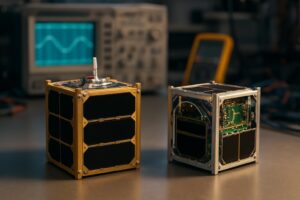
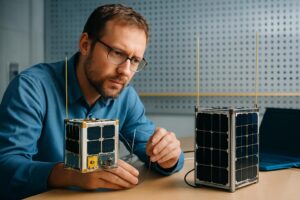
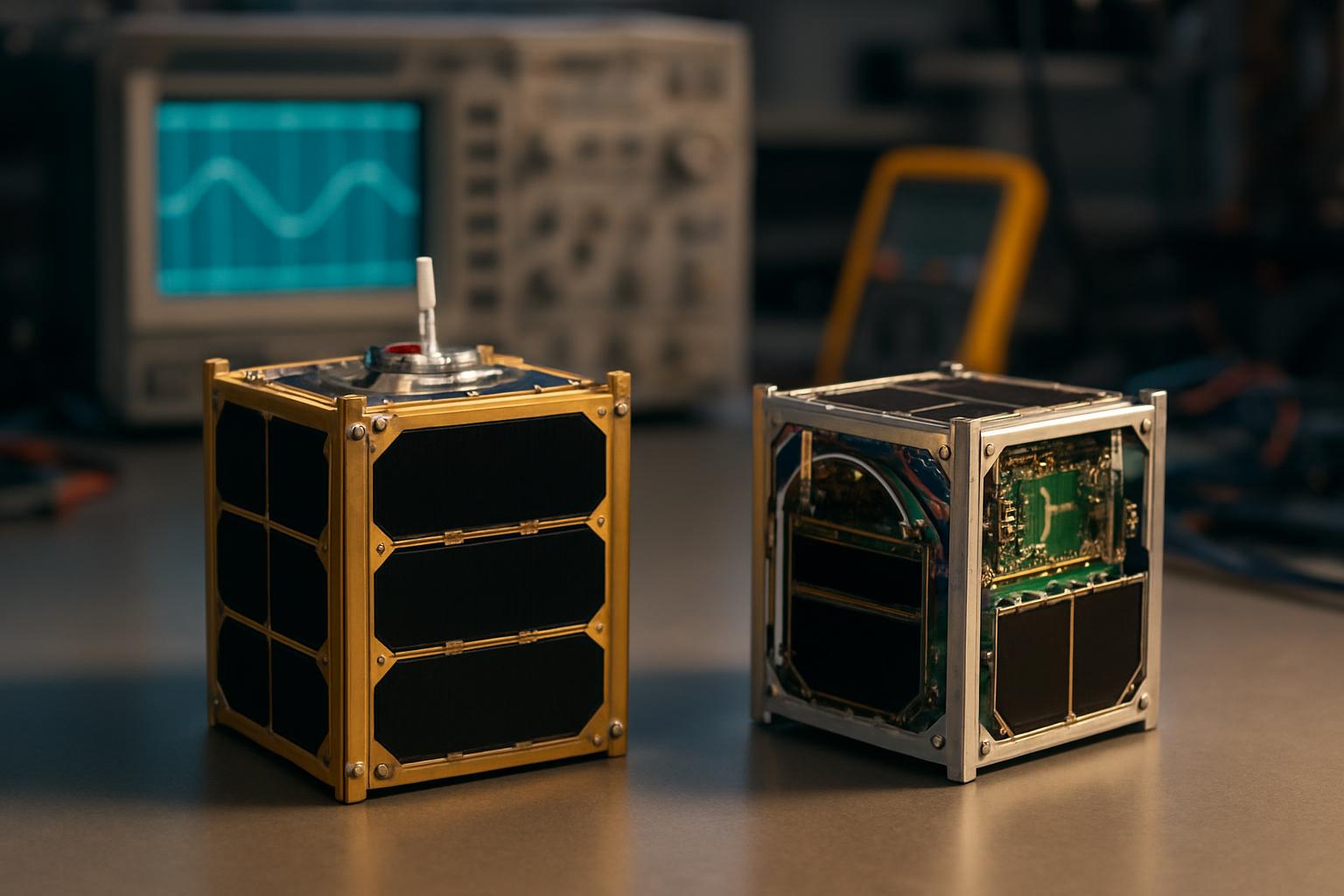
Fox-Plus is presented as an open-source CubeSat platform designed to enable a range of small, modular experiments in low Earth orbit. The core appeal for amateurs and small teams is the ability to study, modify, and deploy payloads without being locked into a single vendor or a closed hardware stack. While exact hardware configurations and flight software details are published through AMSAT channels, the overarching concept emphasizes reproducibility, peer review, and community-driven improvement.
Key attributes of the Fox-Plus approach include:
- Modular payloads: A design philosophy that favors interchangeable, interchangeable payload slots, making it easier to experiment with different radio experiments, sensors, or data-collection capabilities without rebuilding the entire platform.
- Open software and interfaces: Flight software, payload drivers, and data interfaces are aligned with an open-source mindset to encourage collaboration and rapid iteration by the amateur community.
- Ground-system compatibility: Ground station workflows, beaconing, uplink/downlink conventions, and data formats are conceived to be accessible to a broad audience, including school groups, hobbyist teams, and small clubs.
- Educational value: The platform is designed to be a practical learning tool, helping operators understand RF links, attitude control concepts, power budgeting, and basic spacecraft integration concerns.
From a technical perspective, Fox-Plus aims to provide a realistic testbed for operating modes common to amateur satellites—telemetry, beaconing, digital modes, and simple command-and-control. The emphasis on openness means participants can review designs, suggest improvements, and contribute to documentation that benefits the wider community rather than a single program’s bottom line.
GOLF: Toward Higher Earth Orbits with Open-Source Roots
GOLF represents a distinct, high-ambition pathway within AMSAT’s open-source ethos. While Fox-Plus targets a practical, fetchable testbed in LEO, GOLF is positioned to explore capabilities that extend beyond conventional LEO operations. The objective is not only to achieve high fidelity communications in more distant orbits but also to establish a sustainable, collaborative framework that can scale from pilot missions to more ambitious deployments.
The 2026 briefing notes that GOLF is oriented toward higher Earth orbit concepts, leveraging the open-source culture established by Fox-Plus while introducing design innovations that can endure the longer orbital lifetimes and more demanding telemetry requirements associated with elevated regimes. The combination of open hardware, shared software, and cross-project learning aims to reduce the barrier to entry for teams wishing to participate in advanced satellite missions while maintaining a strong emphasis on safety, reliability, and community governance.
As a result, builders and operators gain exposure to challenges such as thermal management, propulsion considerations (where applicable in coordinated demonstrations), attitude determination and control, and robust uplink/downlink strategies that accommodate greater orbital variability relative to the classic LEO footprint.
Why This Matters to Amateurs in 2026
The convergence of Fox-Plus and GOLF creates a practical ecosystem for amateur radio operators who want tangible opportunities to design, test, and operate satellites. For many hobbyists, this means a more approachable path to witnessing real orbital activity—without the overhead and risk typically associated with exclusive, proprietary platforms. The emphasis on open-source interfaces lowers barriers to engineering experimentation, fosters collaborative troubleshooting, and accelerates the flow of knowledge across clubs, universities, and individual operators.
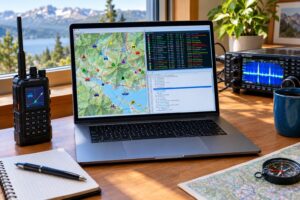
From an operational standpoint, the projects support several enduring amateur radio objectives: expanding opportunities to demonstrate UHF and VHF voice and data links, encouraging the development of simple yet robust digital modes, and providing a framework for tracking, AIS-like telemetry, and beacon-based propagation studies. Operators who participate can gain practical experience in station setup, link budgeting, and the end-to-end life cycle of a small satellite—from integration and test to orbit operations and decommissioning planning.
Technical Considerations for the Fox-Plus/GOLF Era
While the specifics of every satellite design evolve, a few technical considerations consistently surface in discussions of Fox-Plus and GOLF. These points reflect realities of small-spacecraft engineering and the amateur radio environment rather than marketing claims:
- Radio frequency planning: Small satellites typically operate on VHF/UHF bands aligned with amateur allocations. Users should expect an emphasis on simple, robust links and forgiving modulation schemes that support a wide range of ground-station capabilities.
- Power and thermal management: Power budgets must accommodate limited solar exposure in small packages, with attention to thermal paths that keep onboard electronics within safe operating temperatures.
- Data handling and telemetry: Telemetry streams are designed to be intelligible on standard ground stations, with data formats that support quick decoding and straightforward interpretation by operators of varying experience levels.
- Software and interoperability: Open-source flight software and payload drivers encourage cross-project reuse, but operators should be mindful of version control, configuration management, and documentation quality to avoid misconfigurations in orbit.
- Safety and regulatory awareness: Licensing privileges, allocation limits, RF exposure guidelines, and local rules vary by jurisdiction. Always consult the applicable regulator and follow safe operating practices when building and using ground stations or transmitting in space-linked experiments.
AMSAT’s project-status resources emphasize a disciplined, collaborative approach to these issues. For readers who want authoritative, contemporary context, the official project pages and bulletins are valuable references you can consult as you plan your own participation or learning path.
Getting Involved: How to Follow and Contribute
Active involvement in the Fox-Plus and GOLF programs is well suited to individuals, clubs, and educational groups that value open collaboration. You don’t need to be a satellite designer to contribute meaningfully. Here are practical ways to participate in 2026 and beyond:
- Stay informed: Regularly check AMSAT project-status updates and related bulletins to track progress, changes in scope, and new design iterations.
- Engage with the open-source community: Explore repositories, documentation, and design notes that accompany the Fox-Plus platform, and offer feedback or contribute improvements where you can.
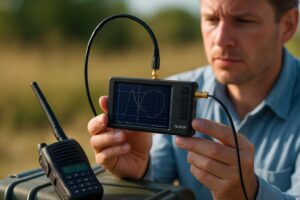
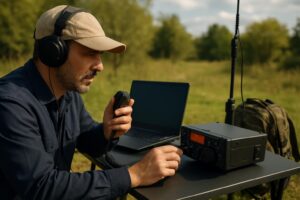
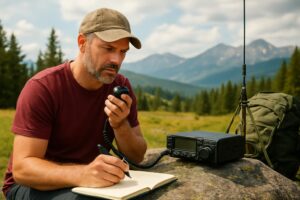
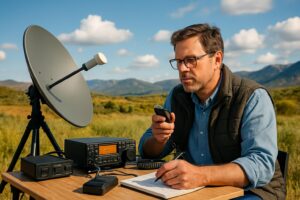
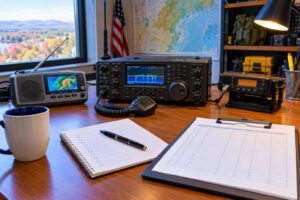
- Develop ground-station capabilities: Build or adapt a modest ground station for UHF/VHF reception, experimenting with beacon decoding, packet data, and simple CW/voice links as capabilities mature.
- Collaborate with clubs and schools: Initiate or join projects that use the Fox-Plus/GOLF framework as a hands-on learning activity, combining hardware tinkering with operating practice.
For readers seeking authoritative updates and deeper technical discussions, the following AMSAT resources provide ongoing guidance and documentation:
- AMSAT Project Status
- AMSAT News Service: Weekly Bulletins
- SS-43 Robinson Reference (AMSAT)
- AMSAT News: GOLF Program Coverage
Safety, Regulations, and Practical Ground-Work
All amateur satellite activity occurs under the umbrella of regulatory compliance and safe operation. Licensing privileges and band allocations vary by country and even within regions. Before you operate equipment or attempt uplinks, review your local regulations, RF exposure guidelines, and any rules specific to satellite operations. The open nature of Fox-Plus and GOLF does not bypass these requirements; it invites informed participation and responsible experimentation.
From a practical standpoint, neighbors and bystanders should be considered when performing outdoor activities, especially with portable antennas and power sources. Always implement basic safety practices for electrical and RF systems, including proper wiring, weatherproofing, and secure cable management around your operating area.