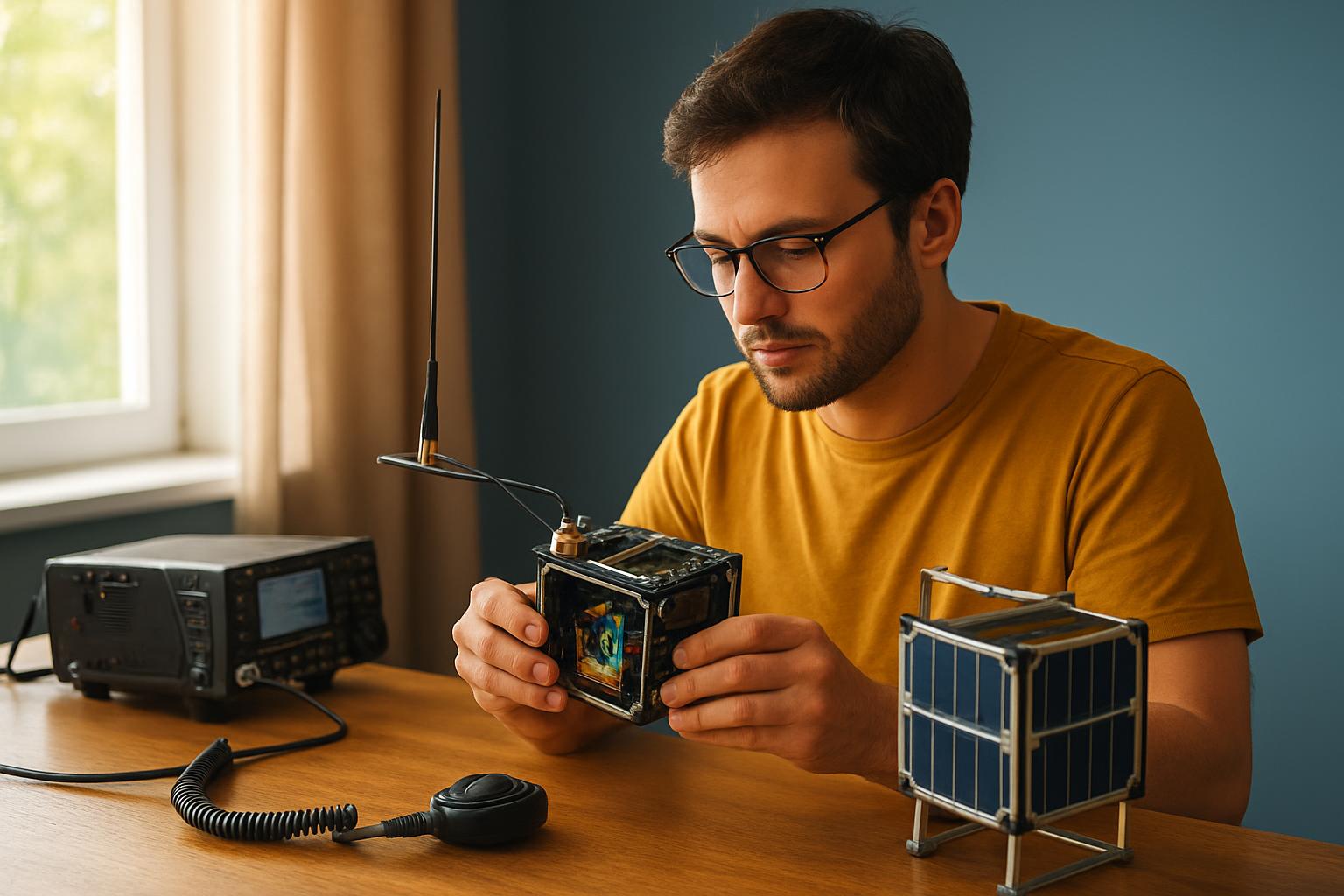
Overview: Fox-Plus and GOLF in AMSAT’s 2026 Roadmap
AMSAT’s Fox-Plus project and the GOLF program form a coordinated effort to broaden participation in space-borne amateur radio. Fox-Plus is described in project briefs as moving toward completion in 2026, with a design emphasis on reliability and accessible operation using widely available ground-station gear. GOLF aims to return amateur radio activity to high Earth orbit (HEO), incorporating a multi-band transponder and software-defined radio (SDR) payloads to enable flexible experimentation and a wide range of operating styles. These initiatives reflect AMSAT’s goal of lowering the barriers to spaceflight for the average operator while expanding the technical palette available to the community.
For current status and background material, consult the official AMSAT sources and related briefs: AMSAT Project Status and the SS-43 Robinson briefing. Community updates are also discussed in broader amateur radio outlets, including regional sites such as Lu7DKO News.
Fox-Plus: On-track for 2026
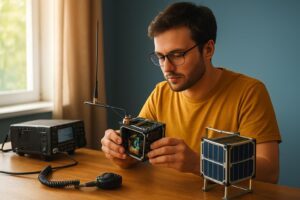
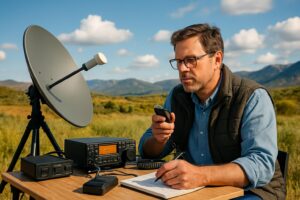
Fox-Plus is positioned as a practical, ground-station‑friendly satellite concept. The design emphasizes compatibility with standard amateur equipment, straightforward uplink/downlink workflows, and robust performance across multiple bands. The emphasis on usability means operators—ranging from beginners to experienced students of satellite operation—can gain experience without specialized, boutique hardware. The project’s emphasis on reliability and reconfigurability aligns with AMSAT’s broader practice of fielding equipment that can adapt to evolving waveform formats and ground-station configurations.
From the project-status briefings, Fox-Plus is described as advancing through the planned design phases toward a 2026 completion milestone. While exact frequencies and modes will be refined as development proceeds, the core promise is a satellite that is approachable for everyday hams with a conventional transceiver and a modest antenna system. This approach helps build knowledge and confidence that operators can translate to other satellites and future missions.
Official status materials and briefing documents provide the reporting basis for these expectations: AMSAT Project Status and SS-43 Robinson briefing.
GOLF: High Earth Orbit with SDR Payloads
GOLF envisions a high Earth orbit platform that emphasizes a flexible, multi-band transponder and SDR-based payloads. The intent is to provide a reusable, adaptable environment for experimenting with different operating modes across bands, with an emphasis on interoperability and software-driven control. A high Earth orbit framework introduces both opportunities and challenges—longer pass durations and broader footprints at certain orbital sections, balanced by more complex Doppler and link-budget considerations. The SDR payload concept supports rapid iteration of waveform ideas and experimental data modes, enabling operators to test and refine approaches without hardware-level redesigns for each new test.
Community discussion and status updates acknowledge that GOLF’s exact band plan and waveform interfaces will evolve as design work progresses. The project team encourages interested operators to monitor AMSAT briefings and community channels for updates. In addition to official AMSAT materials, independent reports—such as regional amateur radio outlets—offer context for anticipated capabilities and scheduling. See Lu7DKO News for ongoing coverage: Lu7DKO News.
What this means for amateur operators
The combination of Fox-Plus and GOLF represents a broader pathway into space for a diverse community of operators. For many, these programs mean: one, a more approachable ground station experience that does not require bespoke, expensive peripherals; two, the opportunity to experiment with multiple bands and modern SDR-based payloads; and three, a framework that supports learning through practical, hands-on projects rather than abstract theory alone. Operators can leverage existing VHF/UHF gear and progressively incorporate SDR software, tracking, and payload‑level experimentation as capabilities mature and as official guidance evolves.
Understanding that these platforms may have different footprint characteristics compared with traditional LEO satellites is important. HEO platforms can present longer dwell times in certain passes and varying Doppler shifts that require careful reception planning. A solid grounding in basic satellite operation—tracking passes, adjusting for Doppler, and logging observations—remains essential as these new platforms come online.
Ground readiness: practical steps for 2026 preparation
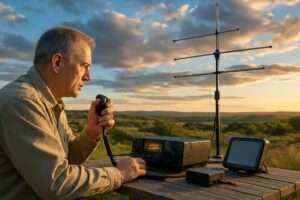
- Audit and upgrade your ground station with a flexible, dual‑band transceiver or SDR front-end and a capable antenna system suitable for VHF UHF operation.
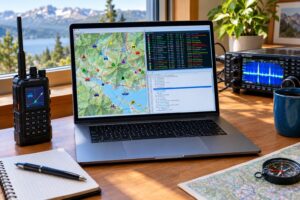
- Invest in reliable tracking software and practice Doppler compensation and pass prediction using existing satellites as a training proxy.
- Develop a simple operating workflow: pre-pass check, beacon and telemetry verification, uplink tuning, downlink listening, and structured logging.
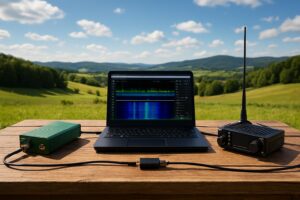
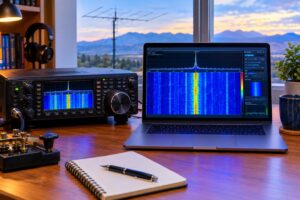
- Build familiarity with SDR-based workflows so you can exploit SDR payloads once Fox-Plus or GOLF become active.
- Follow official AMSAT status updates and read the briefing materials to stay aligned with evolving capabilities and timelines.
Design principles behind Fox-Plus and GOLF
- Modularity and openness: The platforms are conceived to accommodate a range of payloads and operating modes, with software-defined interfaces that enable future upgrades without a full hardware rebuild.
- Ground-station friendliness: The emphasis is on practical gear that a typical licensed operator can assemble and operate, reducing barriers to entry.
- Multi-band capability: Supporting several bands increases contact opportunities and enables experimentation with diverse propagation conditions and antenna configurations.
- SDR-centric payloads: SDR allows flexible waveform deployment, rapid testing, and easier integration of digital modes as standards evolve.
- Interoperability: A focus on predictable link budgets, robust interfaces, and clear procedures to simplify coordination among operators, ground-stations, and mission teams.
Regulatory, safety, and operating caveats
As with all amateur radio operations, licensing privileges, band allocations, RF exposure considerations, and local rules vary by jurisdiction. Always verify the requirements for your location and license class, and ensure that your antenna installations, cabling, and power systems are installed with appropriate safety measures. Outdoor operations demand diligence regarding mast stability, electrical protection, and weather-related hazards. When experimenting with satellites, maintain a conservative power and duty-cycle approach until you have validated safe operation with your ground system and regulators.
FAQ
Q: When is Fox-Plus expected to be completed?
A: Public project briefs indicate Fox-Plus A is on track for completion in 2026; timelines can evolve with milestones and funding.
Q: What capabilities might GOLF bring?
A: A multi-band transponder and SDR payloads designed for a flexible high Earth orbit platform; the exact bands, modes, and interfaces will be defined as the project progresses.
Q: How can I stay informed?
A: Rely on official AMSAT project status pages, briefing documents, and reputable amateur radio community sources for the latest developments.
Key takeaways
AMSAT is pursuing a forward-looking strategy with Fox-Plus and GOLF to broaden access to space for amateur operators. By prioritizing usability, modular design, and SDR-enabled flexibility, these programs aim to empower a larger, more diverse operator base to participate in satellite activity as the platforms approach readiness in 2026 and beyond. Engaging now—learning pass predictions, practicing with existing satellites, and following official AMSAT updates—can position you to take full advantage of these new platforms when they become available.