Introduction
Activation programs like Parks on the Air (POTA) and Summits on the Air (SOTA) offer portable operation that expands operating opportunities while building a robust and sharable log. In 2026 both programs continue to evolve, refining qualification rules, activation-zone concepts, and the logging workflows that support verification. This guide provides quick-start activation rules and best-practice log steps to help you plan, operate, and document activations efficiently and accurately. It is written for practical, noncommercial use by licensed amateur radio operators who want reliable, ready-to-apply guidance for park and summit activations.
Quick-Start Activation Rules for 2026
POTA quick-start basics
- Before you go, verify the park identity and boundaries in the POTA listings to ensure your activation will count for the correct park.
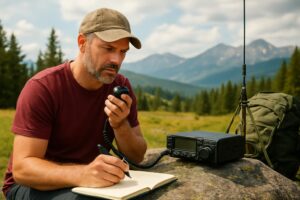
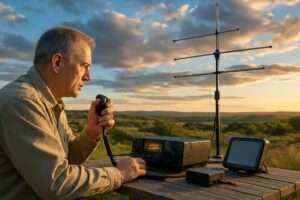
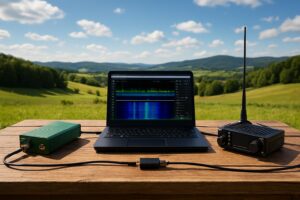
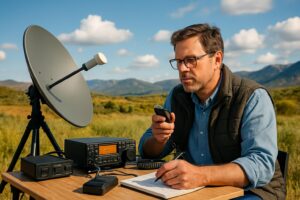
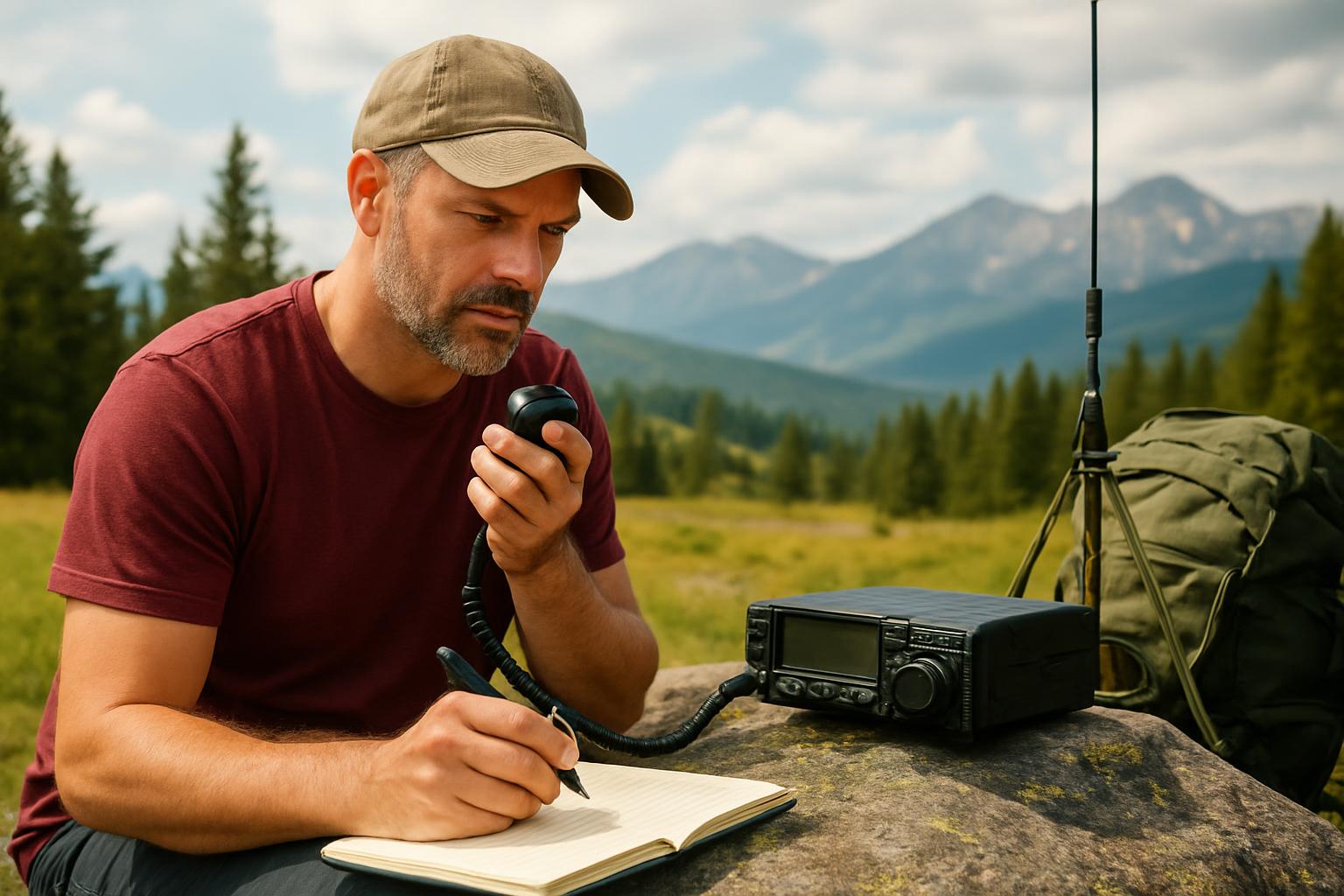
- Plan a simple, reliable portable setup: a compact antenna, a safe power source, and a rig that you can operate comfortably from a field location.
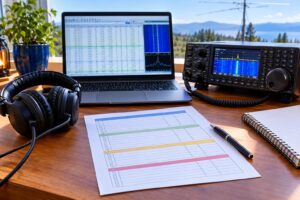
- Log each QSO in real time or as soon as practical, capturing date, time in UTC, callsign, exchanged information, band, and mode. Accurate logging is essential for award processing.
- While not always required, having a photo of the activation site can help support verification if questions arise later.
- Keep your activation within a single park boundary as defined on the official listing, and record the park name or ID clearly in your log entry.
SOTA quick-start basics
- Select a summit that lies within your activation-zone responsibilities and within the designated SOTA activation region; the goal is a valid activation that yields a new or existing Summit-to-Activations record.
- Record the summit reference consistently in your notes so the activation ties to the correct summit in the SOTA database.
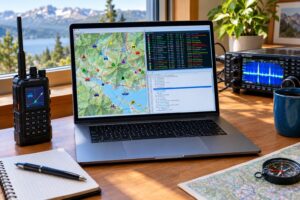
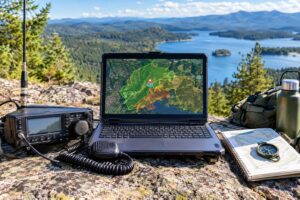
- Use GPS or mapping tools to confirm you remain within the specified activation zone; crossing outside may affect the activation’s validity.
- Log each QSO with the same discipline as POTA: UTC time, callsign, band, mode, signal report, and any relevant notes about QSLs or multipliers.
2026 Updates: POTA park-qualification guidelines (Nov 12, 2026)
The POTA program released an update that clarifies park-qualification criteria. The practical effect for activators is a stronger emphasis on clearly identifying the park being activated, verifying park boundaries, and ensuring that log records align with the designated park identity. The update reinforces that park-identity and boundary verification should be reflected in the submitted activation record, and it encourages consistent use of the official park names or park IDs in logs and reporting workflows. Always consult the official rules page for the current text before any activation, since program guidance can evolve.
What to verify in 2026 and beyond
- Park identity and boundaries: confirm you are within the official park boundaries used by POTA; if you operate near a park edge, verify boundary data from the official listing before logging.
- Activation validity: ensure the activation is logged under the correct park, to avoid misattribution to another park or listing.
- Logging alignment: ensure your field log and digital log reflect the park identity as defined by the current rule text to ensure activation credit.
SOTA guidance emphasis: activation zones and logging workflows
SOTA guidance continues to emphasize activation zones, which define the geographic limits for operation during a summit activation. Operators should use maps and GPS to verify they stay within the allowed activation zone. The logging workflow for SOTA mirrors POTA in its emphasis on accurate time stamping, callsigns, bands, and modes, but SOTA requires explicit summit references for the database records. Practically, activators should carry a lightweight GPS-enabled device or map and maintain a consistent method for recording summit references on every contact.
Best-practice log steps for POTA and SOTA activations
Adopting a consistent log workflow reduces post-activation time and improves verification reliability. The steps below are designed for field use with minimal gear and a simple notebook or smartphone logging app.
Pre-activation planning
- Check the latest rule pages and any regional notes for POTA and SOTA; note any changes or local caveats for the park or summit you plan to activate.
- Decide on operating mode, power budget, and antenna plan; factor in travel distance and expected propagation conditions.
- Prepare your logging method to ensure a smooth transfer of field notes to your main log later.
On-site setup
- Set up within the activation zone; confirm location with GPS or a mapping app to ensure compliance with SOTA rules.
- Power management: monitor battery voltage and keep a backup supply available; protect equipment from cold or heat and avoid deep discharges.
- Prioritize safety: secure antennas and masts, watch for overhead hazards, and stay aware of weather and terrain.
During operation
- Log in real time where feasible; record UTC time, callsign, band, mode, signal report, and notes about QSLs, multipliers, or any unusual conditions.
- Keep your log synchronized with a digital copy if using a paper log; this minimizes data loss and makes verification smoother.
- Be mindful of interference and avoid actions that could degrade the activation’s credibility or safety.
Post-activation logging and submission
- Transcribe field notes into your digital log format and verify that all required fields are present and accurate.
- Submit the POTA activation via the official portal and the SOTA activation page as applicable; include park and summit references, location details, and the activation window.
- Cross-check against other operators’ logs to ensure each contact is unique and properly attributed within the activation period.
Terminology and practical tips
POTA uses park designations for activations and QSO logs; SOTA uses summit references and activation zones. In both programs, the operator is responsible for accurate timekeeping (UTC), precise callsigns, correct band and mode entries, and notes about conditions or equipment. Practical tips include carrying a small rugged notebook or offline-capable logging app, planning for band changes as propagation shifts, and carrying spare batteries and a backup antenna element to adapt to terrain.
Common pitfalls and troubleshooting
Typical problems include mis-logging a callsign, mixing up park names, or recording an activation outside the approved zone. To mitigate, pause to verify the exact park name and summit reference before submitting. If a QSO cannot be completed or is mislogged, annotate the entry with the reason and make reasonable attempts to correct the log with a clear audit trail. If you realize post-activation that you logged the wrong location, fix the log promptly while preserving prior entries to maintain integrity.
Safety, regulatory caveats, and legal considerations
Follow local RF exposure guidelines, electrical safety practices, and outdoor hazard awareness. Portable operations involve extra risk from weather, uneven terrain, and physical setup. Ensure you have permissions for park access or summit activation and comply with any local permit requirements. Licensing privileges, allocation limits, RF exposure, and other restrictions vary by jurisdiction; consult the current regulator guidance and the official program pages before operating.
Conclusion and quick-reference summary
Maintaining a consistent activation and logging workflow helps you focus on making good contacts, staying safe, and ensuring your activations are accurately represented in the official logs. The 2026 updates reinforce clarity around boundaries and robust logging practices to support high-quality activations that contribute to the global ham community.
Further reading and official rule texts
Official POTA and SOTA resources provide current rule texts and guidance. See the following references for the precise language and any regional notes:
Notes: This article is noncommercial and meant to provide practical, on-the-ground guidance for park and summit activations in 2026. Always verify against the latest official rules pages and local requirements.