Introduction
The M17 project has established a niche for open-architecture digital voice in amateur radio. With the 2.1.x family of releases, 2026 brings notable enhancements aimed at improving interoperability, verification, and extensibility for both hardware and software implementations. The focal point of this update cycle is the 2.1.1 revision, released late in 2026, which tightens integrity checks and refines how session data and metadata travel across the air and across software stacks. This article explains what changed, why it matters, and how a practical operator can approach migrating and testing in a noncommercial, hobbyist-friendly way.
For readers who want to verify official details, consult the M17 specification and project pages, which host the core documents and community discussions:
M17 Specification PDF and M17 Foundation.
What is M17 digital voice?
M17 digital voice is an open-source protocol designed to carry high-quality voice data over radio channels with software-defined and hardware-agnostic implementations. It emphasizes interoperability, modularity, and transparency so operators can mix devices and software without being locked into a single vendor. Unlike proprietary digital modes, M17’s open-source nature invites contributions, peer review, and community-driven improvements, including updates to the media encoding, framing, and metadata layers that support calls, talkgroups, and session control.
Because M17 is designed to be codec- and interface-agnostic to a practical extent, it enables experimentation while keeping the core framing and signaling well-documented. Operators can deploy M17 on HF, VHF, and UHF bands where regulations allow, using radios and software that conform to the same open specifications. A growing ecosystem of clients, apps, and test tools forms the backbone of ongoing improvements and real-world testing across the hobbyist community.
2.1.x milestone and the 2.1.1 release
The 2.1.x series represents structured enhancements to the M17 protocol family, with 2.1.1 released on 19 November 2026. Key elements of this milestone include stronger integrity verification and refined definitions for frame and metadata handling. Two notable areas are:
- SHA-256 integrity and verification: The 2.1.1 update emphasizes integrity checks for firmware, software, and protocol handshakes to reduce the risk of tampered builds and corrupted frames during transmission.
- New LSF and META definitions: The update introduces clarified definitions for Logical Signaling Frames (LSF) and metadata (META) handling. These changes aim to improve interoperability between different implementations and enable more robust session management and recordkeeping across devices.
For background on these changes and their rationale, you can review the official materials and community discussions linked above. The updates are also discussed in community reports and project pages, which document how contributors test and validate the new behaviors in real-world environments.
If you want a concise briefing, see the release notes and related discussions in the M17 ecosystem: M17 Specification PDF and EtherHam weekly report (November 19, 2026).
SHA-256 and why it matters for M17
SHA-256 provides a cryptographic hash that helps verify integrity of software, firmware, and protocol payloads. In the context of M17 2.1.1, SHA-256 hashes are used to ensure that a given release or a specific frame sequence has not been altered in transit or during storage on a device. For amateur operators, this translates to a practical benefit: you can validate that the software you load onto a transceiver, an embedded M17 client, or a testing rig has not been corrupted by errors or tampering before you rely on it for operation.
Operationally, operators typically obtain software and firmware from trusted repositories or project-borne release pages, then verify the published SHA-256 checksums against what is downloaded. This practice aligns with general information-security principles and helps reduce the chance of supply-chain or on-air tampering impacting your ability to communicate. While SHA-256 does not replace proper operator vigilance, it provides a straightforward, widely-supported method to ensure you’re running legitimate builds from reputable sources.
LSF and META: what they mean for interoperability
LSF (Logical Signaling Frames) and META definitions shape how metadata travels with the voice data, including session identifiers, timing cues, and control information. The 2.1.1 refresh clarifies how these components are constructed, parsed, and validated across heterogeneous implementations. For operators, this can translate to smoother cross-device conversations, faster session setup, and more predictable behavior when using multiple clients or hardware platforms in parallel.
From a practical standpoint, the updated definitions reduce ambiguity for developers about how to encode and interpret session metadata. They also support future extensions, such as enhanced call-signaling, improved talk-group indicators, or richer session diagnostics, all while maintaining backward compatibility where feasible. Operators should review the updated META handling guidance in the official spec and test with both old and new implementations in a controlled environment before large-scale deployment.
What this means for operators: hardware, software, and workflows
Adopting M17 2.1.x in a busy shack or field kit involves a few pragmatic steps. First, ensure you have a trusted source for the updated software and firmware, then verify with SHA-256 hashes before flashing or installing. Second, test a simple, controlled QSO using both an existing client and a 2.1.x-capable client to observe how LSF/META changes appear in real traffic. Third, update your logging and diagnostic routines to capture the new metadata fields so you can compare behavior across devices.
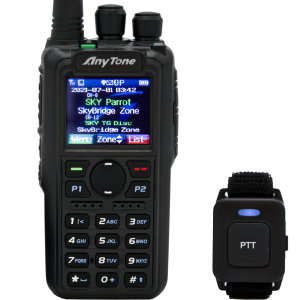
In terms of hardware, most open-source radio platforms and many commercial-family M17 implementations have been updated or are being updated to support 2.1.x. If you rely on a mix of devices, plan an incremental migration: start with a single compatible client, document results, and then phase in additional devices or software once you’ve validated performance. Useful workflow considerations include keeping a current backup of your prior setup, maintaining a test channel or talkgroup for non-critical experiments, and documenting any anomalies observed during the transition.
For those who want a deeper dive into concrete steps, the M17 project pages and the community forums provide implementation notes, test scripts, and discussion threads that illustrate typical upgrade paths and interoperability checks. See the linked sources for deeper technical detail and community guidance.
Security, reliability, and governance in an open-source protocol
Open-source protocols like M17 rely on transparent development, peer review, and distributed testing. The 2.1.1 changes emphasize security-conscious practices—namely, verification of software integrity (via SHA-256) and clear framing of data and metadata. While no single protocol feature can guarantee immunity from all on-air issues, a disciplined update strategy, verified builds, and participation in the open-development process greatly reduce risk and improve reliability across the ecosystem.
Operators should also remain mindful of RF safety, licensing, band plans, and local regulations. Even with robust digital protocols, legal authorization to operate on a given band, power level, or mode remains essential. The openness of M17 invites collaboration and audit, but it does not supersede regulatory requirements that apply in your jurisdiction.
Getting started with M17 2.1.x
A practical entry path for curious operators looks like this: obtain the latest M17 client/software build from trusted project sources, verify the SHA-256 checksum, and install on a compatible device. Set up a test talkgroup with a known, low-traffic schedule, and perform a short, quiet test QSO to observe how the new LSF/META fields populate in the signaling. Compare behavior against a baseline established with your pre-2.1.x setup, noting any differences in call setup time, metadata visibility, or session renegotiation that you observe.
Documentation for configuration and testing is intentionally practical: maintain a simple checklist, log your test results, and share any reproducible observations with the community. Responsible experimentation helps the ecosystem mature without producing misleading conclusions or conflicts across devices.
Ecosystem, contribution, and how to participate
The M17 open-source ecosystem thrives on collaboration. If you’re a developer or tester, you can contribute by reviewing the specification, submitting bug reports, or drafting test scenarios that exercise 2.1.x behavior in diverse hardware environments. The community maintains project pages and discussion forums where practitioners describe real-world experiences, propose enhancements, and coordinate interoperability tests across teams. Participation helps ensure that future improvements remain grounded in practical operating needs rather than theoretical considerations alone.
Relevant project and community resources include the primary specification repository, project pages, and ongoing community reports that capture field experiences and development milestones. See the sources cited earlier for direct access to these resources.
Frequently asked questions (FAQs)
- Q: Is 2.1.x backward compatible with older M17 clients? A: Compatibility varies by implementation. Many deployments aim for graceful fallbacks, but operators should verify with their specific hardware and software versions before mixed-device operation.
- Q: Do I need new hardware to use 2.1.x? A: Most updates are software- and firmware-oriented. Check with your device’s vendor or project maintainers for recommended builds and any required bootloaders or firmware updates.
- Q: How do I verify I’m using a legitimate 2.1.1 release? A: Obtain the binary or firmware from trusted project sources and compare the SHA-256 hash against the published value in release notes or the official repository.
- Q: Where can I learn more about LSF/META changes? A: Detailed explanations and updated definitions are described in the latest M17 specifications and corresponding release notes on the project site.
Key takeaways
- The 2.1.x family, with 2.1.1 in 2026, strengthens M17’s integrity and framing with SHA-256 and refined LSF/META definitions.
- Open-source openness remains a core strength, enabling community-driven testing, cross-device interoperability, and transparent improvements.
- A careful upgrade path—verification by SHA-256, staged testing, and documentation—helps minimize disruption and maximize reliable operation.
Safety, regulatory caveats
Always operate within your jurisdiction’s licensing and regulatory framework. Digital voice protocols do not override local rules on transmission permissions, power limits, or band usage. RF exposure, antenna safety, and proper installation practices should be observed, especially when deploying portable setups or field operations. Treat any on-air testing as collaborative and documentable, and avoid transmitting in ways that could interfere with other services or violate local regulations.
Further reading and sources
For those who want to explore the official materials and community discussions, consult the following legitimate sources:
M17 Specification PDF,
M17 Foundation — Projects,
EtherHam Weekly Report (Nov 19, 2026),
M17 Foundation.
Closing note
As M17 2.1.x matures, the balance between openness, practical interoperability, and operator education remains key. The combination of SHA-256 integrity checks and clarified LSF/META definitions supports a more reliable, extensible platform for digital voice in amateur radio. By following best practices in verification, testing, and community engagement, operators can participate in a thriving open-source ecosystem that continues to evolve with real-world use cases.