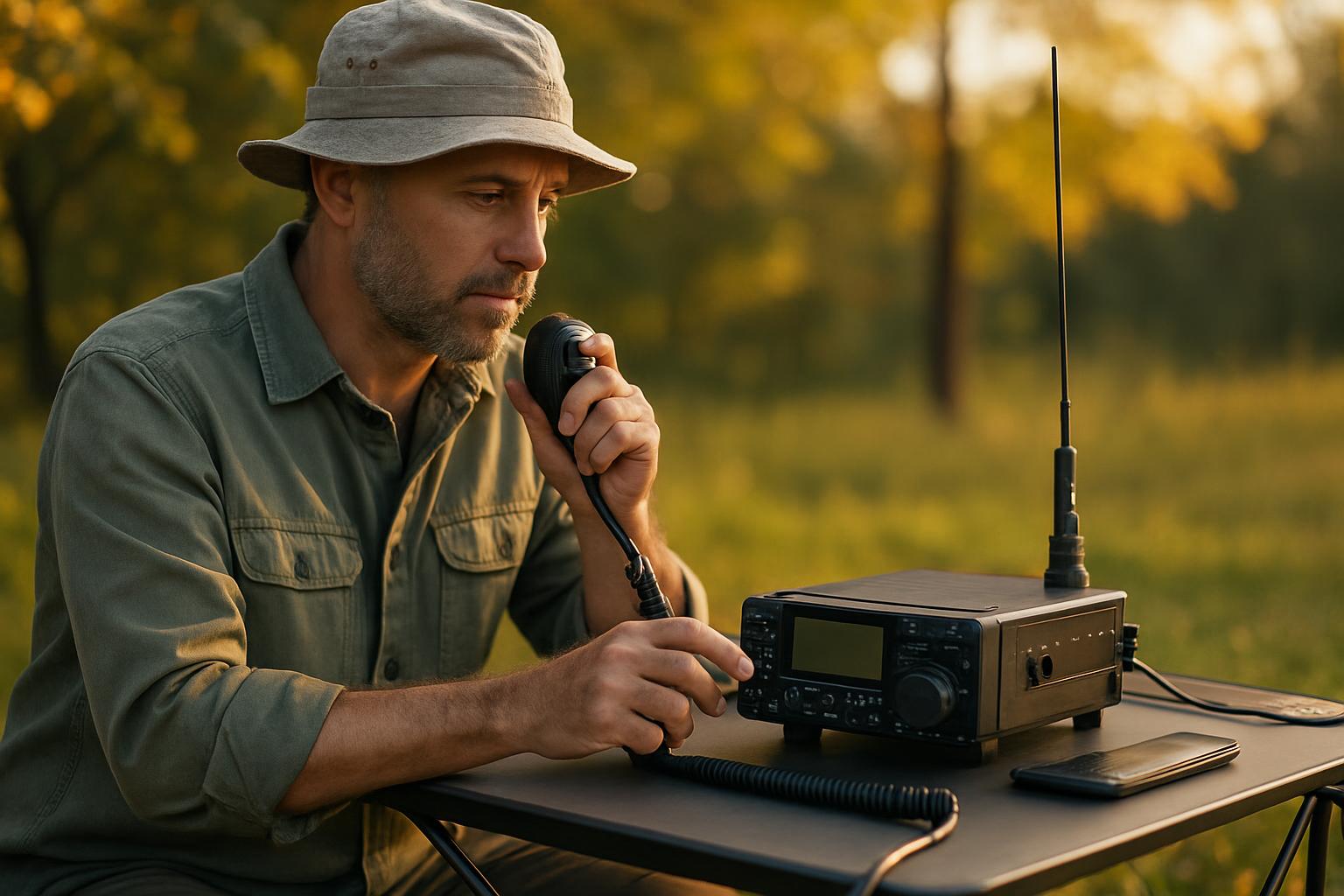
POTA 2026 at a glance
Parks on the Air (POTA) has entered a year of notable modernization. In August 2026, the project published updated rules intended to clarify activation requirements, logging expectations, and spotting workflows. In October 2026, a rebuilt POTA.app launched, promising a more cohesive experience for activators and chasers alike. This article summarizes the core changes and offers practical guidance for operators who plan activations under the updated framework.
For operators who want to verify specifics, the official rule documentation and app release notes are the primary sources of truth. The changes affect how activations are planned, logged, and shared with the community, while preserving the core aim of recognizing parks-based operations across HF and V/UHF bands.
August 2026 rule updates: what changed and why it matters
Parks on the Air published a set of updates in August 2026 intended to tighten the alignment between field activations and community logging practices. While the exact language lives in the official documents, the practical impact centers on three areas: activation eligibility and submission, logging standards, and spotting workflow.
Key themes you can expect to encounter include clearer criteria for what constitutes a valid POTA activation, standardized fields in logs and QSO records, and a more explicit path for spotting and confirming park activity. The goal is to reduce ambiguity for operators operating in the field and to streamline the post-activation verification process for volunteer reviewers and park authorities.
As with any regulatory update, operators should read the current rules before planning a park activation. Local considerations—such as park access rules, licensing privileges, and RF exposure limits—still apply and may vary by jurisdiction. The official rules page provides the authoritative reference on these points.
The rebuilt POTA.app: launched Oct 2026 and what it delivers
October 2026 marked the launch of a rebuilt POTA.app, designed to integrate the updated rules with modern logging and spotting capabilities. The new platform emphasizes a streamlined workflow from field to log, with intuitive data entry for each QSO and a more reliable path for activating parks to be recorded and shared with the community.
Highlights typically associated with a major app rebuild include unified logging across modes, improved park lookup and identification, and enhanced spotting tools that help participants coordinate activations more efficiently. While specifics may evolve, users can expect a more cohesive experience when planning, operating, and reporting park activations.
If you want to explore the new interface and its features, begin with the official POTA app documentation and release notes. They provide concrete guidance on how to start a session, how to log QSOs, and how to submit activations under the refreshed rule set.
Logging, spotting, and workflow under the 2026 updates
The updated ecosystem places greater emphasis on accurate, timely logging and transparent spotting. In practical terms, this means operators should be prepared to record essential QSO details consistently and to use the spotting tools to announce activations to the community in a timely fashion.
A typical workflow under the updated rules might involve the following steps: plan the activation, verify park eligibility, set up in a suitable location, operate across appropriate bands, log QSOs in the POTA.app, and submit the activation data through the app. Spotting becomes a structured process, with operators using built-in or networked tools to indicate active parks and contact opportunities to nearby operators and DX stations.
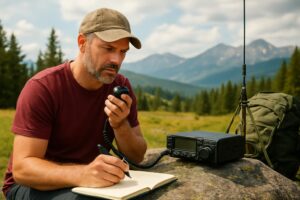
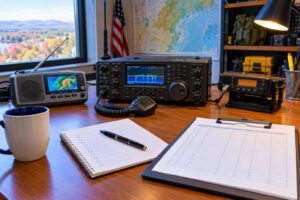
For field operators, the takeaway is to embrace the integrated workflow: prepare the log in advance where possible, use the app’s park lookup to confirm park IDs, and practice consistent QSO entries (including band, mode, signal reports, and park code) so later reconciliation or review is straightforward. The official rules page and the app’s help sections provide concrete field-ready guidelines for these tasks.
Field activations in 2026: practical tips for operators
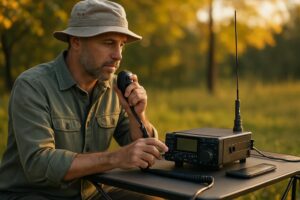
With the rules and tools updated, field activations benefit from planning, safety, and efficient operation. Here are practical considerations to improve success and compliance on real-world activations:
- Plan with the rules in mind: Before heading to a park, confirm that the park is eligible for activation under the current rules and understand any local access restrictions.
- Choose bands and modes strategically: Depending on the park location and time of day, select bands and modes that maximize callables without creating unnecessary interference or rule violations.
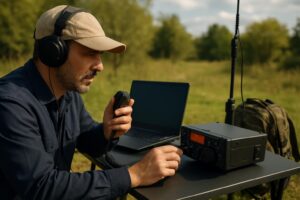
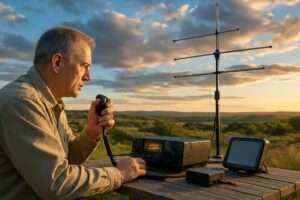
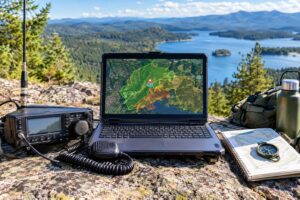
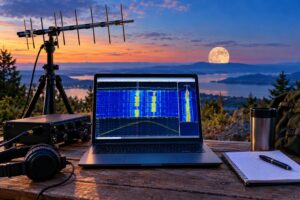
- Equipment and power strategy: Bring appropriate power sources, battery management, and RF safety gear. Keep circuits protected and observe field-operation safety protocols—especially during outdoor setups or on uneven terrain.
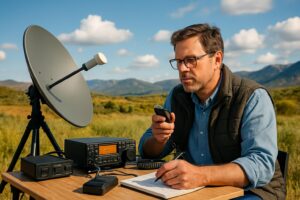
- Log as you go: Use the rebuilt POTA.app to record QSOs in real time or as soon as feasible, aligning with the updated fields and validation steps described in the rule updates.
- Coordinate spotting: Use the app’s spotting tools to announce activations to nearby operators. Clear spotting helps maximize contacts and reduces duplicate efforts.
- Document the activation: After the session, review entries for accuracy, confirm that all required data fields are complete, and submit the activation for recorder validation if applicable.
For field operators, staying aligned with the updated workflow is as important as technical readiness. The combination of robust logging and coordinated spotting reduces ambiguity and enhances the experience for both activators and chasers.
Compliance, safety, and regulatory caveats
Regardless of the updates, operators must respect licensing privileges, RF exposure guidelines, and local regulations. The updated rules do not override jurisdictional requirements, and park-specific rules may impose additional constraints on access, setup, or operating hours. Always verify the current regulatory framework before an activation and consult official sources for the most accurate guidance.
RF safety: plan antenna placements, heights, and grounding to minimize exposure and risk to bystanders. Electrical safety, battery handling, and outdoor weather considerations are essential elements of a responsible activation. If in doubt, defer to local authorities or park staff for permission and safety directions.
Quick-start checklist for 2026-era POTA activations
Use this practical checklist to prepare for a field activation under the 2026 rules and the rebuilt app:
- Identify an eligible park and verify activation conditions under the Aug 2026 rule changes.
- Install and configure the POTA.app on your device, and review the latest logging fields and spot-criteria.
- Prepare your radio setup (bands, power, antenna, tuning) with a focus on safety and portability.
- Plan your QSO target set and summarize the anticipated operating window and propagation considerations.
- Log QSOs in real time or immediately after each contact, ensuring required fields (band, mode, signal report, park code) are captured.
- Submit the activation data and use spotting tools to notify the community of the park being active.
- Review post-activation data for completeness and accuracy, addressing any discrepancies promptly.
- Record lessons learned for future activations and share best practices with local clubs or stations using the same tools.
Resources and further reading
Official rule documentation and app guidance provide the foundation for the updated 2026 experience. The following resources are credible starting points for operators who want to verify the current framework and explore new features:
- POTA rules documentation
- Parks on the Air main site
- New POTA.app now live (Substack post)
- POTA app documentation
Closing thoughts
The Parks on the Air 2026 updates represent a practical evolution of how activations are planned, logged, and shared. The combination of August 2026 rule clarifications and the October 2026 POTA.app rebuild aims to make activations more repeatable and auditable while preserving the community-driven spirit of POTA. Operators who adapt to the updated workflow—focusing on accurate logs, timely spotting, and thoughtful field planning—will be well prepared to enjoy efficient, safe, and productive activations in the years ahead.
Notes
Licensing privileges, allocation limits, RF exposure requirements, and local park rules vary by jurisdiction. Always verify the latest regulatory guidance before operating and refer to official resources for current rules and best practices.