Overview: Fox-Plus, GOLF, and AMSAT’s 2026 trajectory
In the evolving landscape of amateur satellites, AMSAT’s 2026 briefs highlight two key projects moving toward flight readiness: Fox-Plus and GOLF. Both are designed to extend the capabilities of the AMSAT fleet with flexible, software-defined radio (SDR) payloads, enabling a range of experimental and everyday amateur activities. The emphasis is not only on getting hardware into orbit but also on ensuring the ground segment, user community, and operational workflows are ready to leverage new modes as they become available. For volunteers, operators, and hobbyists, this signals a potential broadening of opportunities to make contacts, test new digital modes, and participate in satellite-based demonstrations.
Fox-Plus: expanding the cockpit of the AMSAT constellation
Fox-Plus is positioned as a practical step forward in the AMSAT plan—introducing an SDR-capable payload that can host multiple operating modes without requiring hardware changes in the bus. The SDR approach offers the flexibility to experiment with several waveform families, modulation schemes, and data links, which is especially valuable for a small satellite where hardware replacements are costly or impractical. For hobbyists, the prospect means potentially compatible ground stations may gain new receive paths and easier access to uplink/downlink workflows as the software evolves.
Key considerations for Fox-Plus include: maintainable firmware update paths, robust onboard processing that can adapt to evolving amateur radio workflows, and a ground segment that can track the satellite’s evolving capabilities. The SDR-centric design helps keep the project adaptable to new experiments, demonstrations, and educational activities without major bus changes. As with any SDR-based platform, the long-term value rests on clear documentation, well-tested software pipelines, and an open ecosystem that encourages community contributions.
GOLF: the companion mission with a flexible payload approach
GOLF enters the lineup as a complementary payload strategy, aiming to broaden the spectral footprint and data-handling capabilities of the AMSAT fleet. Like Fox-Plus, the SDR payload path for GOLF prioritizes adaptability and forward-compatibility, which is essential given the rapid evolution of digital modes and the increasing interest in high-efficiency links on VHF/UHF bands. From a user’s perspective, GOLF’s near-term value may include improved support for packet radio, beaconing, and experimental data channels that engineers and amateur operators can tune to their local needs.
Operationally, GOLF’s design emphasizes resilience and compatibility with existing ground-station infrastructures. Operators may find that ground software evolves toward more modular support, allowing teams to test new software-defined waveforms without requiring extensive reconfiguration of their antennas or RF front-ends. The end result could be a smoother onboarding path for newcomers while preserving the experimental spirit that drives many AMSAT initiatives.
SDR payloads: what they enable for the amateur community
Software-defined payloads are central to both Fox-Plus and GOLF. They enable:
- Multiple operating modes behind a single hardware bus, allowing rapid adaptation to available spectrum and operator interest
- Iterative testing of digital protocols and data links with minimal hardware alterations
- On-orbit updates to support evolving amateur radio workflows and educational demonstrations
- Greater resilience to changes in mission requirements through software-defined adaptability
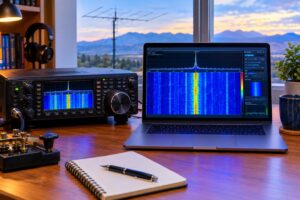
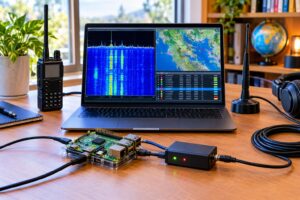
For hams, SDR-based satellites typically translate to more flexible ground-station configurations, such as SDR-based receivers that can capture a broad set of modulations and data streams, and transmitters capable of switching modes as new software is deployed. This aligns with a broader trend in amateur satellites where the ability to deploy new capabilities via software updates reduces the need for frequent, costly bus-level changes. It also opens doors for universities, clubs, and individual operators to participate in experiments with real orbital reality, rather than waiting for bespoke hardware upgrades.
Flight-readiness milestones: what AMSAT is prioritizing in 2026
AMSAT emphasizes a measured pathway to flight readiness that balances hardware maturity, software stability, and ground-system readiness. While concrete launch timelines are shared through official channels, the general trajectory focuses on:
- Completion of environmental and integration tests that validate space-worthiness of the SDR payloads and supporting subsystems
- Verification of on-board software interfaces and payload control loops to ensure predictable behavior in orbit
- Ground-station readiness, including updated telemetry decoding, command handling, and data analysis workflows
- Community-facing documentation and developer channels that enable constructive testing and feedback from the amateur radio community
Several factors influence the pace of flight readiness, including the availability of launch opportunities, the success of pre-flight simulations, and the robustness of the SDR software suites. AMSAT’s approach is to iterate in public, document lessons learned, and foster an environment where operators can participate in testing, data collection, and early-use scenarios once the satellites begin operating in their designated orbits.
Ground segment readiness and practical operating pathways for hams
Operational readiness spans both the satellite hardware and the ground segment. For Fox-Plus and GOLF, communities can expect:
- Documentation that maps uplink/downlink strategies to the SDR capabilities, including optional modes and data rates
- Ground-station software updates that handle new waveform families and data formats, with backward compatibility where feasible
- Clear guidance on telemetry, beacons, and command structures to facilitate safe, responsible operation
- Community testing days or sandbox windows to validate receive paths, decode software, and logging workflows
As the satellites transition toward flight, operators should stay tuned to AMSAT’s official communications for the latest guidance on supported modes, recommended antennas, and plausible operating procedures. Ground-station setups that emphasize modularity—easy swapping of SDR front-ends, tuners, or antenna configurations—will be especially valuable during this phase of gradual capability deployment.
Operational considerations for amateur operators
When Fox-Plus and GOLF reach orbit, practical engagement will depend on:
- Appropriate licensing and regulatory permissions for transmitting on the satellite’s uplink frequencies and modes in your jurisdiction
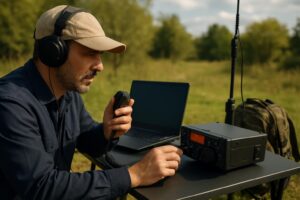
- Accessible receiving capabilities, typically including a VHF/UHF transceiver, an SDR, and a portable or fixed antenna system
- Experience with satellite pass predictions, beacon tracking, and elevation-angle aware pointing strategies
- Opportunity to participate in educational or demonstration events that showcase SDR flexibility on orbit
New or returning operators should approach with a plan: review the current AMSAT documentation, practice with local ground-kit setups, and participate in community forums or AMSAT chapters to learn from early operations and shared experiences. The SDR-centric model rewards systematic testing and careful logging, as even small changes in software can alter performance characteristics on orbit.
Safety and regulatory caveats
Amateur satellite work involves RF exposure considerations, mast and antenna safety, and general outdoor operation risks. Always observe local regulations regarding transmission power, licensing privileges, and spectral occupancy. Before attempting any satellite work, verify that you are authorized for the applicable bands and modes, and follow best practices for electrical safety, proper grounding, and safe handling of batteries or booster equipment. Because space operations involve shared spectrum and potentially sensitive payloads, adhere to good operating discipline, avoid interference with others, and respect mission guidelines issued by AMSAT and the coordinating regulatory bodies in your region.
Frequently asked questions
- What stages typically precede flight? A combination of hardware integration, environmental testing, payload verification, and ground-system readiness checks precede launch readiness. Developers and operators watch for stable software performance and clear command pathways before proceeding to flight activities.
- What equipment is recommended for early testing? A capable VHF/UHF transceiver, a robust SDR (for flexible waveform decoding), and a modular ground station setup with rotatable, directional antennas are common starting points. Having software tools for telemetry decoding and data logging helps establish a working baseline early on.
- Will there be public communication about exact launch dates? Official timelines are shared by AMSAT through their project status channels. Exact launch dates can shift due to testing results, launch availability, or regulatory processes. Stay engaged with AMSAT communications for the latest guidance.
Key takeaways
- Fox-Plus and GOLF represent a strategic push toward a more flexible AMSAT fleet through SDR payloads, enabling multiple modes and faster adaptation to community needs.
- Flight readiness combines hardware qualification, software stability, and ground-segment readiness, with community involvement playing a central role in testing and feedback.
- Ground operators should prepare modular, SDR-friendly setups and stay current with AMSAT documentation to maximize early participation once the satellites go operational.
Further reading and official resources
For those who want to follow the official status and related briefings, consult these sources: AMSAT Project Status, HAM-X 2026 Presentation Slides, AMSAT News Service Weekly Bulletins, and AMSAT 2026 Updates.
Image note
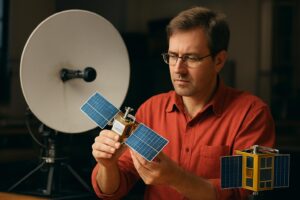
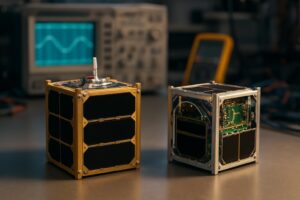
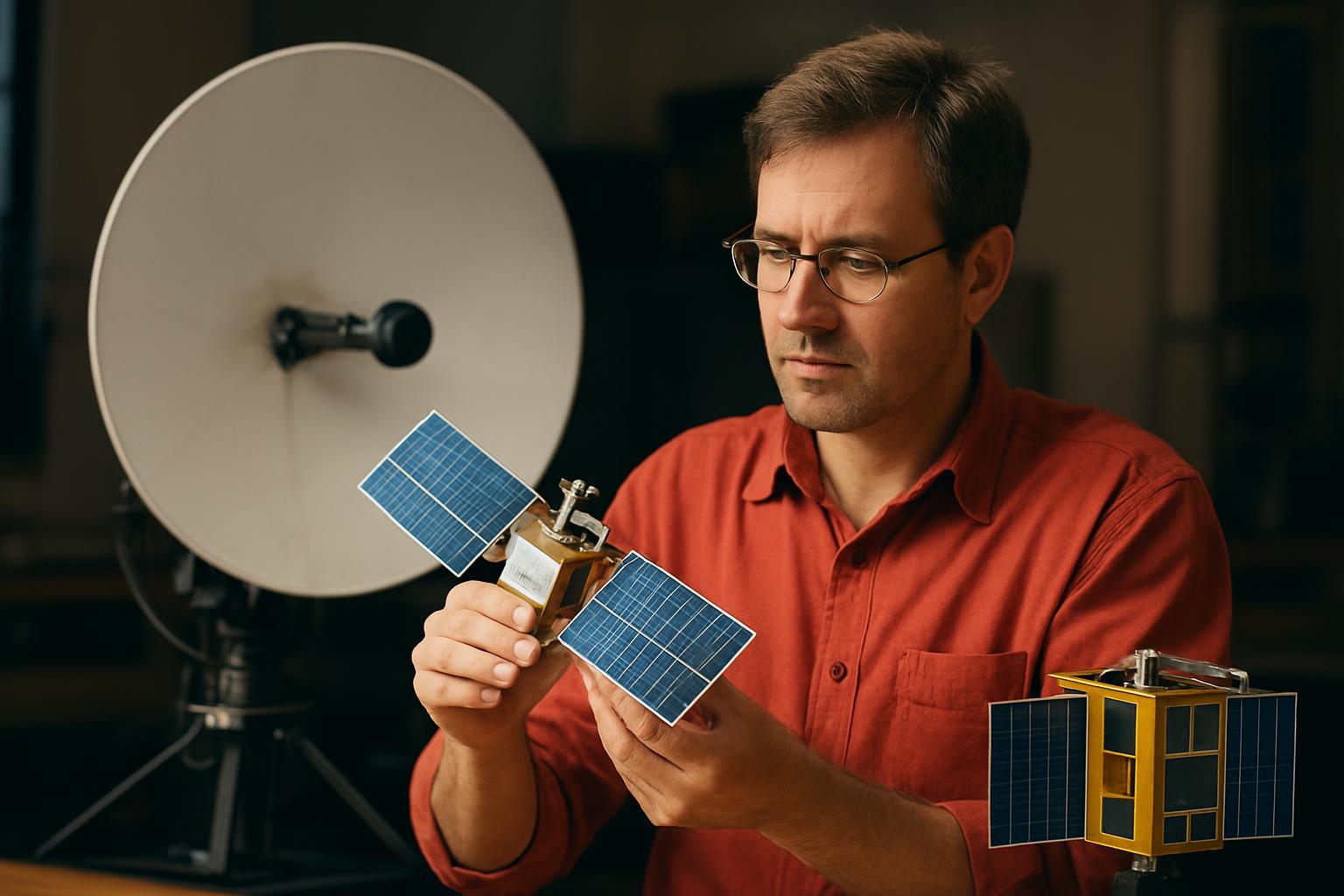
Alt text: Conceptual illustration of Fox-Plus and GOLF SDR satellite payloads in orbit.